



Ready to kickstart your next big project?
Let's innovate together.
PALO IT, a global AI-first technology consultancy, is pleased to announce the acquisition of Bangcast, a training organization specializing in artificial intelligence enablement. This move aims to support its large enterprise clients in effectively navigating their AI transformation journeys, combining advanced technology with comprehensive training and change management.
"Successful AI transformation is not solely about technology, it’s about harnessing the potential of people," said Benjamin Arbeit and Delphine Bornert, Co-founders of Bangcast "By integrating with PALO IT, we can empower organizations through a holistic approach that prioritizes the human element. Together, we’ll ensure that teams are equipped to adopt AI responsibly."
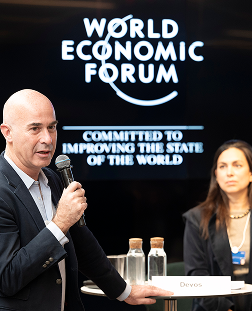
PALO IT emphasizes 10-20-70 principle: 10% of a successful transformation comes from data and algorithms, 20% from technology, and 70% from effective people and processes change management. "AI isn’t creating new problems, it’s just amplifying the ones we never solved. Deploying AI without redesigning the organization is the fastest path to disappointment," explained Stanislas Bocquet, Founder & CEO of PALO IT. "According to the World Economic Forum – Future of Jobs Report 2025, 59% of the global workforce will need upskilling by 2030 to remain employable. It’s a challenge we've never faced in our history. Our acquisition of Bangcast solidifies our commitment to a people-centric approach, ensuring organizations are prepared to adopt AI seamlessly."
With a proven track record, Bangcast has trained over 6,000 professionals across various roles, facilitating large-scale upskilling in approximately 100 organizations. The partnership will utilize Bangcast’s effective training methodologies to prepare businesses for meaningful AI integration.
Understand more about our training services at PALO IT Academy + Bangcast.
About Bangcast
Bangcast is a pioneering organization specializing in AI enablement through targeted training programs. Having trained over 6,000 professionals, Bangcast partners with organizations to build an ethically sound culture of responsible AI adoption.